

Our Garden In Seasons
A visual gallery of seasons observed at our Grow Parkhurst Garden.
Seasons Past
A journey back in time
This chapter contains fond seasonal memories and gathering inspiration for the seasons ahead. A series of stories taking us back in time, to uncover lessons for the future. A series of stories taking us back in time, revealing lessons for the future. A visual return to our roots.
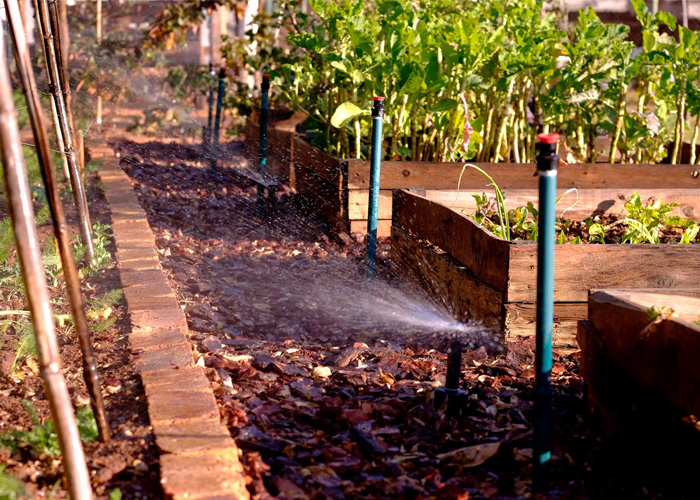
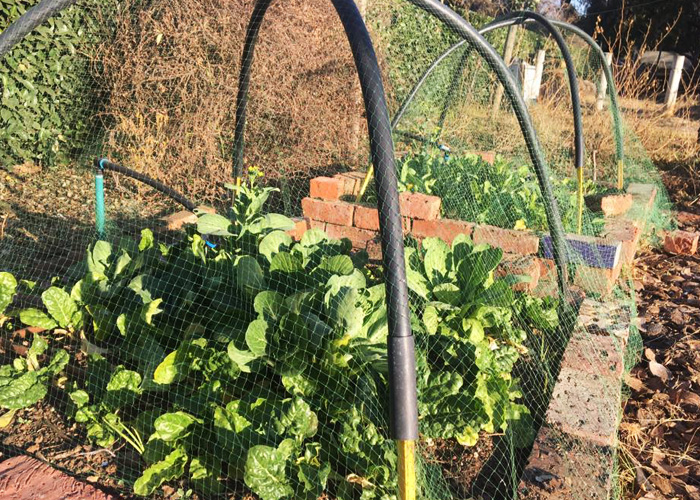
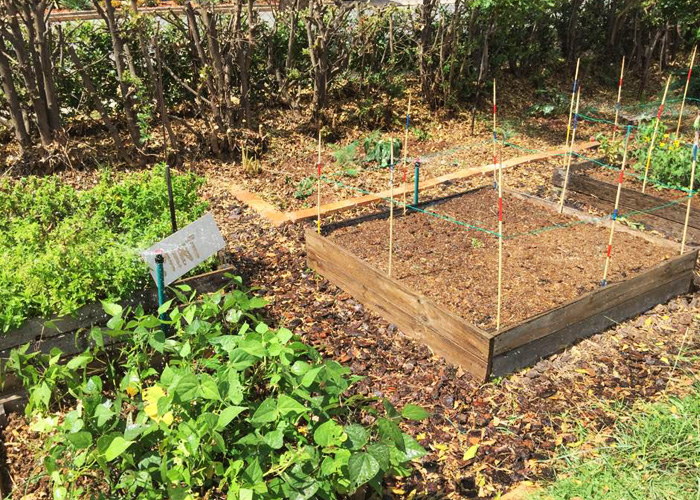
Revisiting the Facebook image archive has been a useful reminder of how the gardens have grown over time, adapting to change, building resilience through creating supporting structures and systems. Including infrastructure like planter boxes which were adapted from upcycled pallets to brick. The inclusion of cover crop, bee friendly flowers ensure the gardens are a hive of activity. Adapting to water restrictions, adding in drip irrigation and regular mulching. The volunteers have a continued visibility in the community through activities, seasonal fundraising, and the sharing of harvested products.
Special thanks to the participating Facebook community who have uploaded photographs and stories over the years and made this archive possible. Please follow us on Facebook to watch our garden flourish, adapt and blossom over time.

Activities & Activations



Bees @growparkhurst

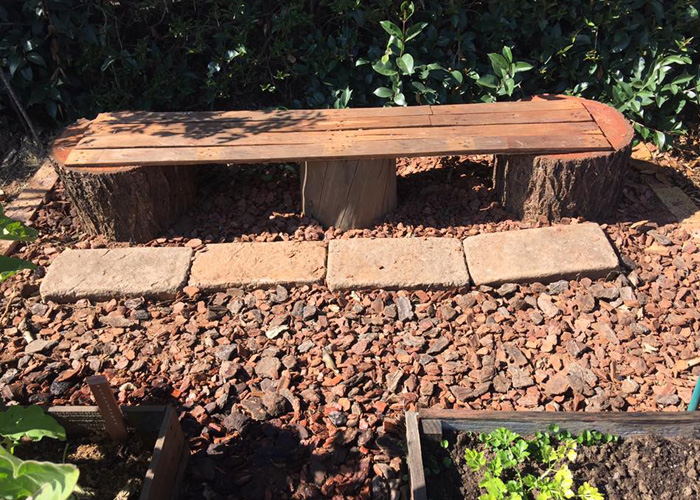
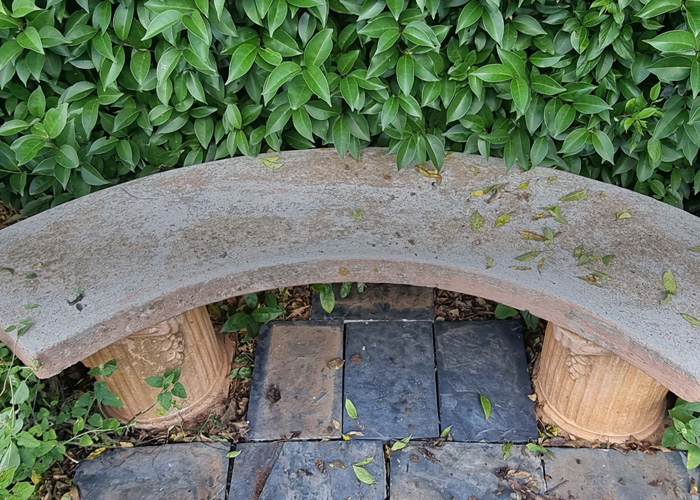
Bench – then and now
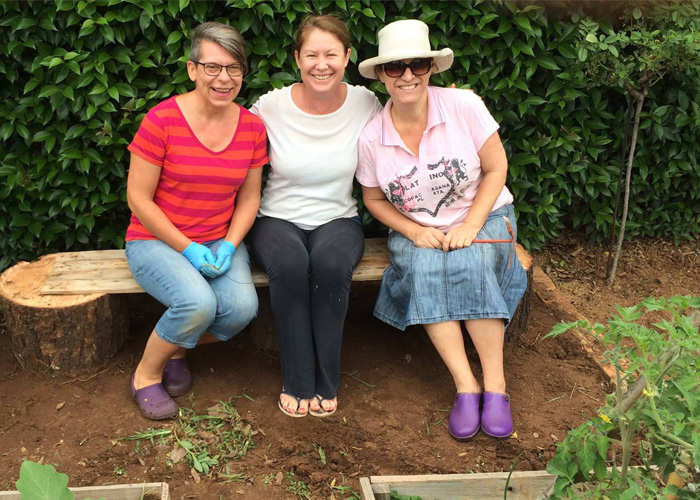
This little bench is tucked away behind our planters, nestled between flowering herbs, wormwood, and clover. It’s a symbolic structure that has morphed over time depending on the season and materials available. As always found, donated, and upcycled materials enable us to get creative in our problem solving.
Images: Tracey Cooper, Elise Varga and Karin Abramowsky
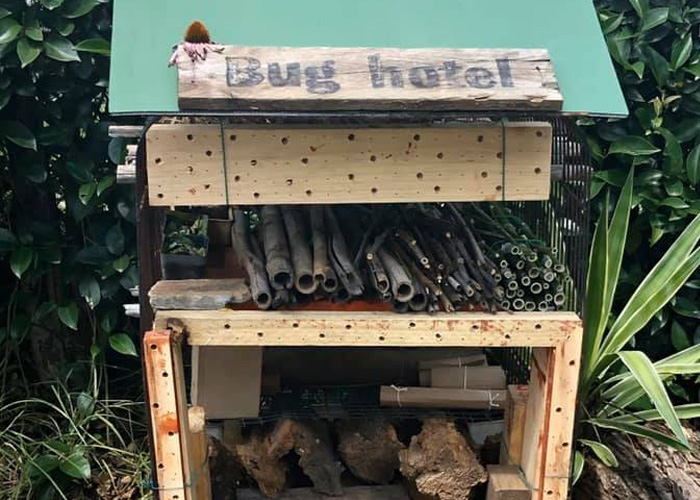
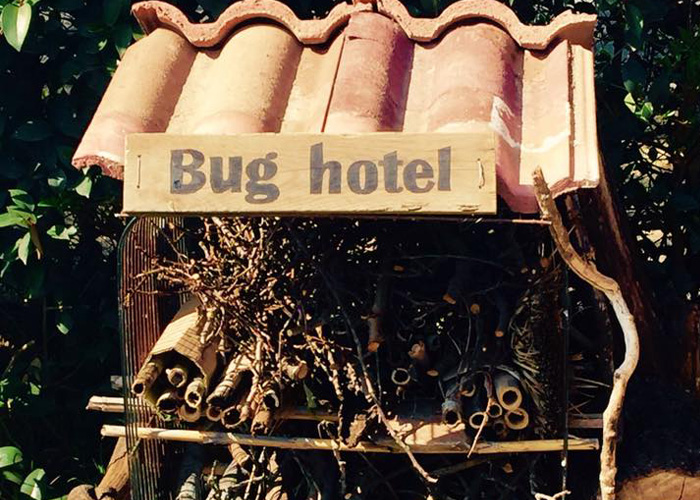
Bug Hotel
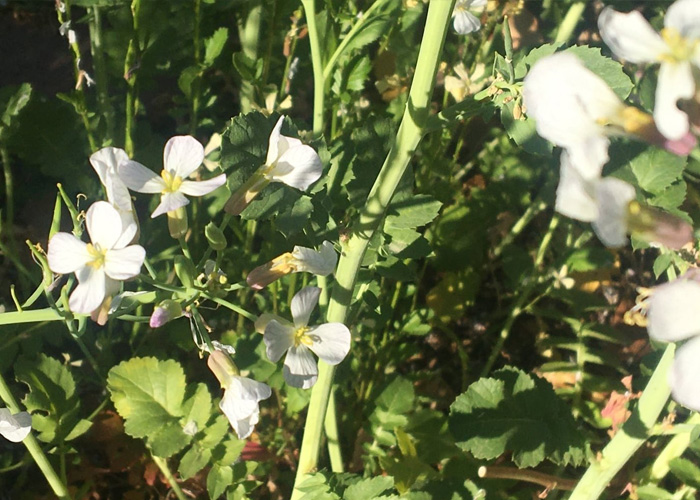
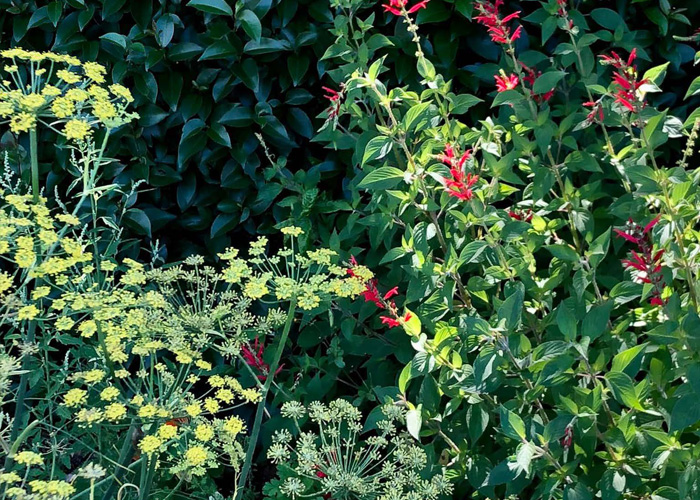
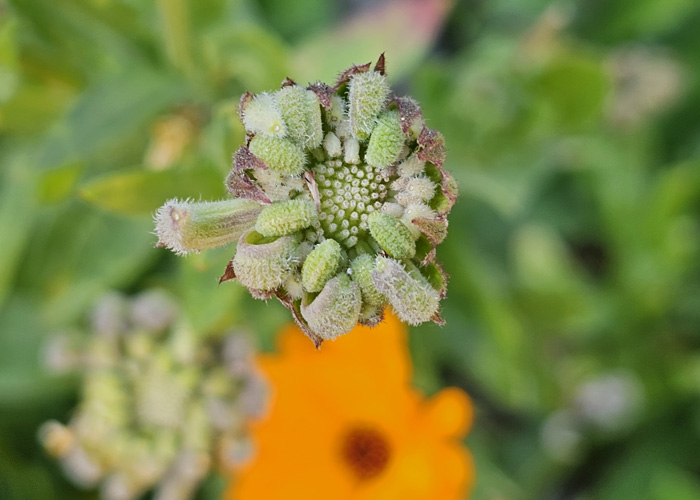
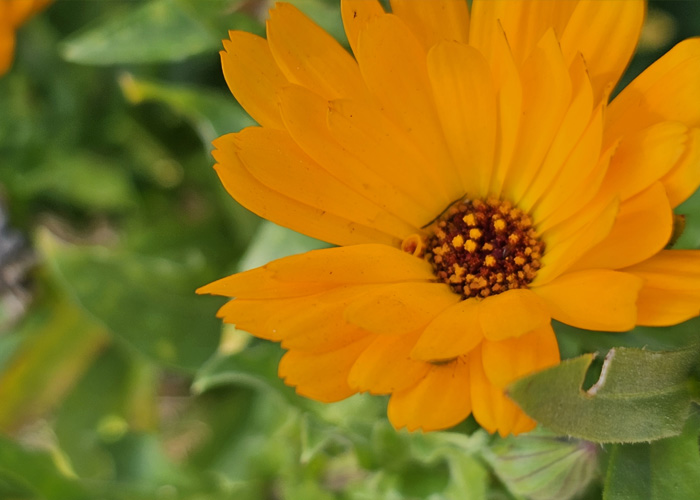
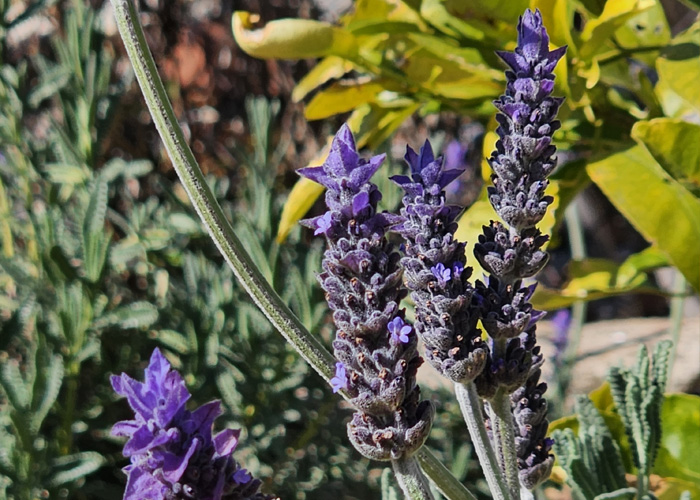
Flowers – journey back in time
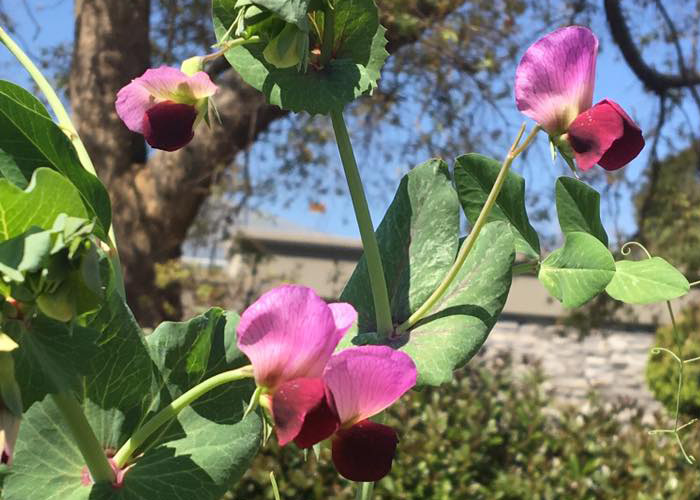
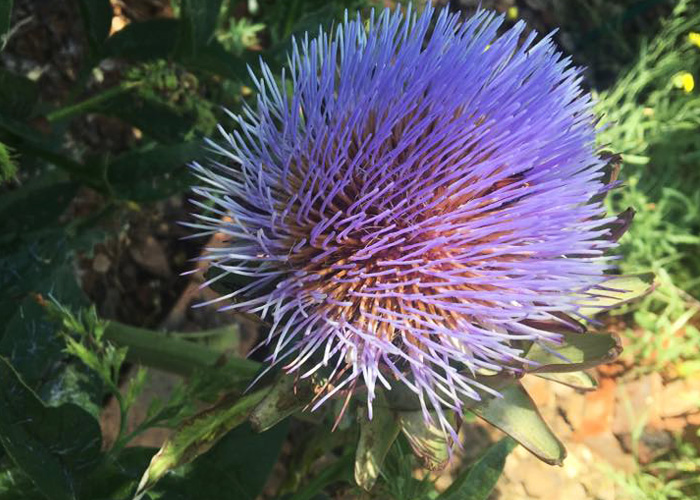
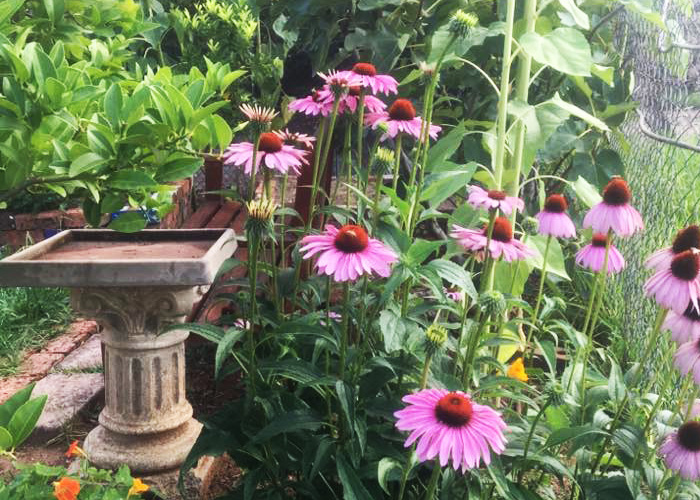
A vibrant visual portfolio of flowers which have blossomed, grown and transformed the community garden into what it is today – a functional food growing space as well as a communal space for rest and reflection.
Images: Tracey Cooper and Elise Varga


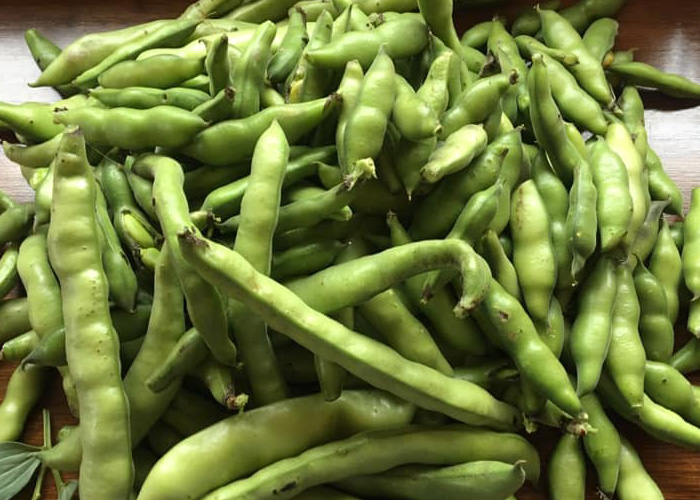
Harvest
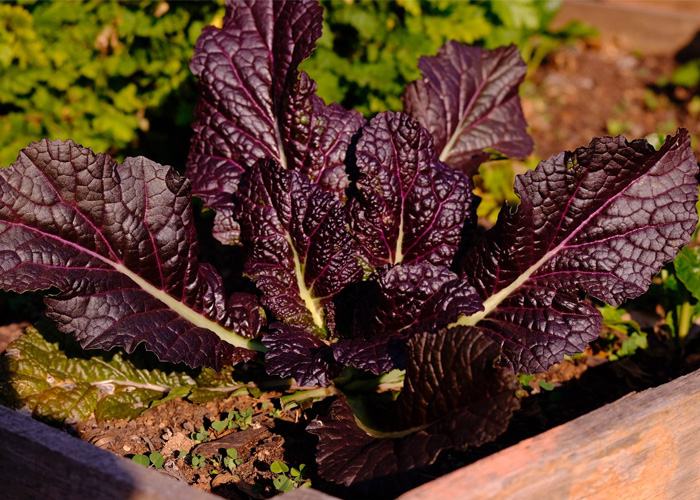


Planters & Garden Beds
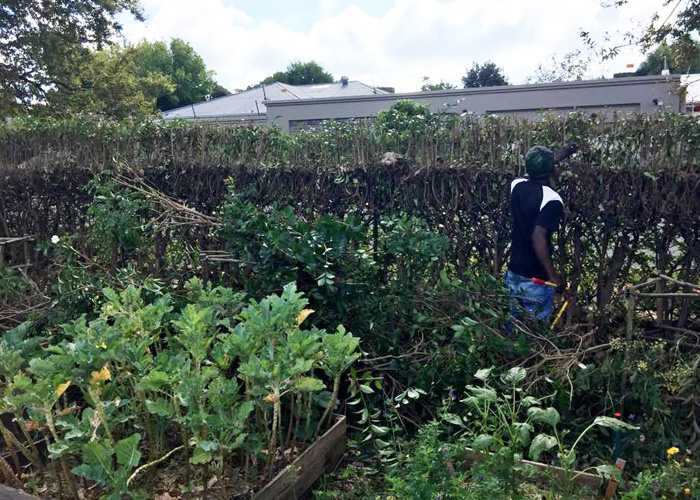
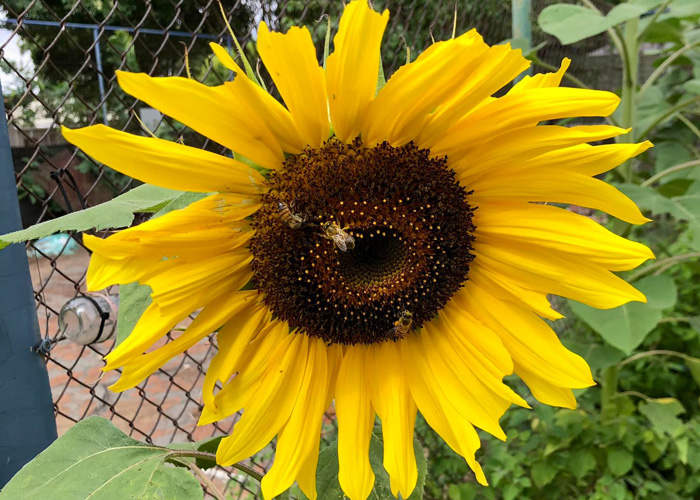
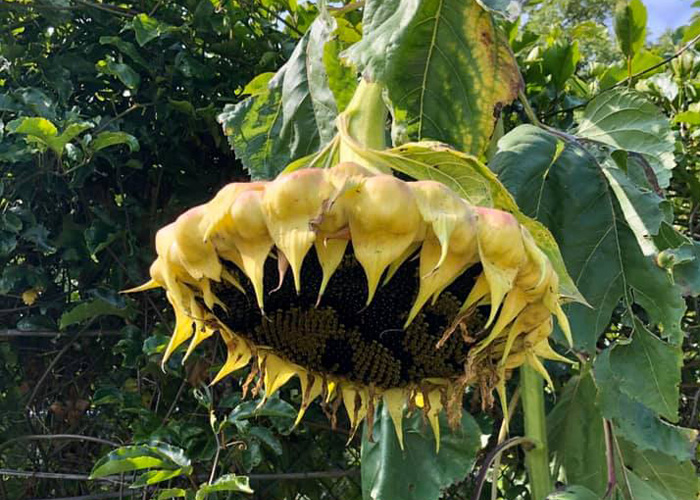
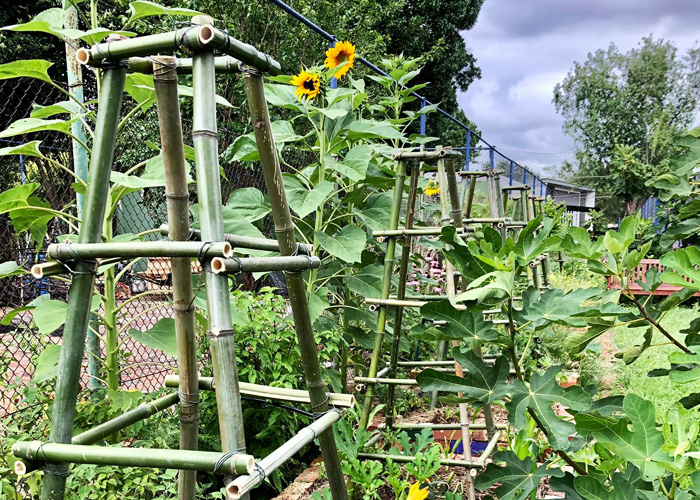
Sunflowers – journey back in time
These cheerful annual herbs have been regularly brightening up our gardens over many summer seasons, and they draw the attention of visitors, passers-by, and volunteers, welcoming them into our urban community garden. As Autumn arrives, we are working our way through fond seasonal memories and gathering inspiration for the seasons ahead.
Images: Tracey Cooper and Elise Varga

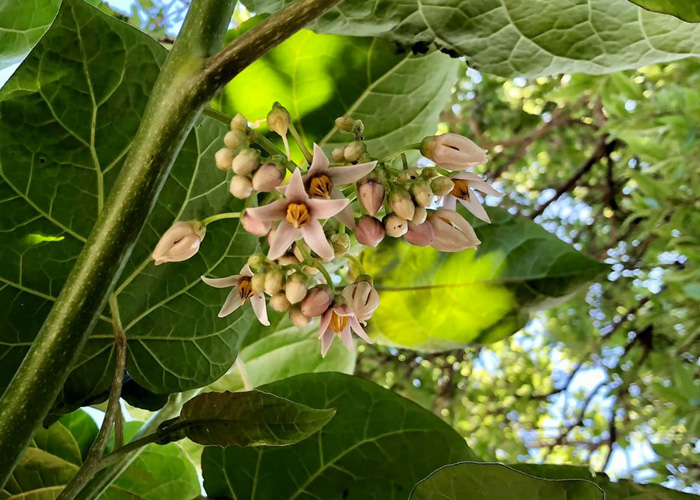
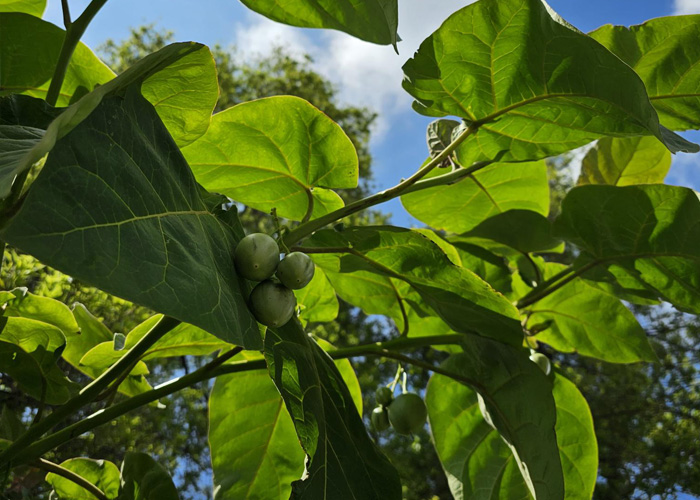
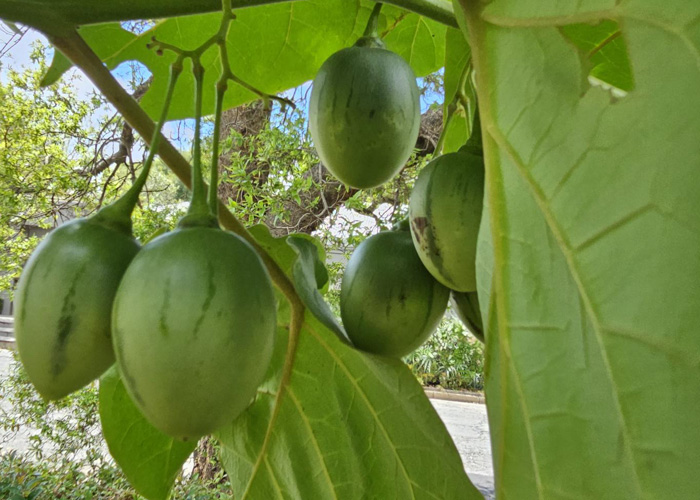
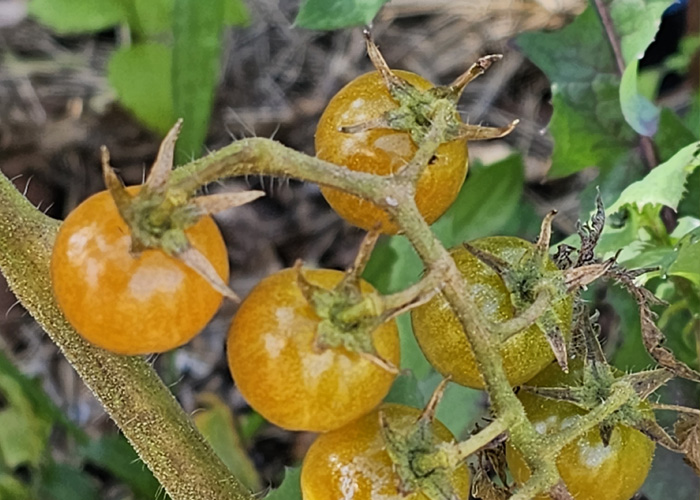
Tomatallio – then and now
A photographic timeline of our Tamarillo – tree tomato.
Images: Tracey Cooper, Elise Varga and Pauline Borton
Where the compost journey started


Autumn 2023
World Bee Day – 20th May 2023
The United Nations has designated the 20th of May World Bee Day to draw our attention to the role of bees in our eco-systems as crucial role players and how they can help us address sustainability issues related to biodiversity and interlinking food security challenges. We live in a world where monoculture affects biodiversity and what we eat. Once we start to understand the effects of this on our natural world, ourselves, and our food table, we can start to embrace ways of living and growing that invite diversity back into our gardens. Creating green spaces that help the endangered bee population flourish once again.
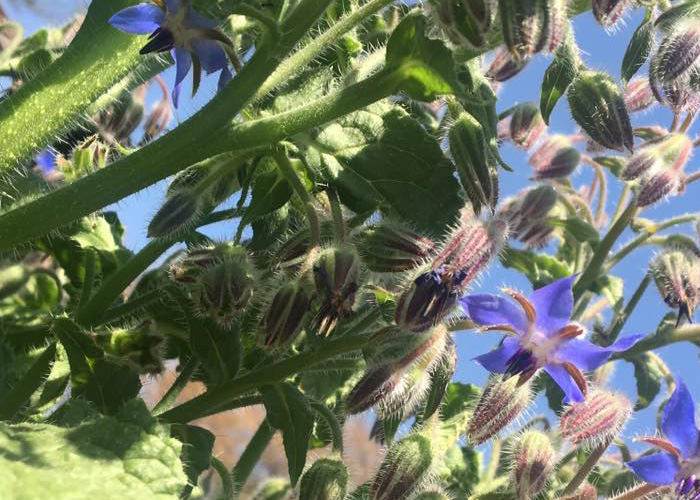
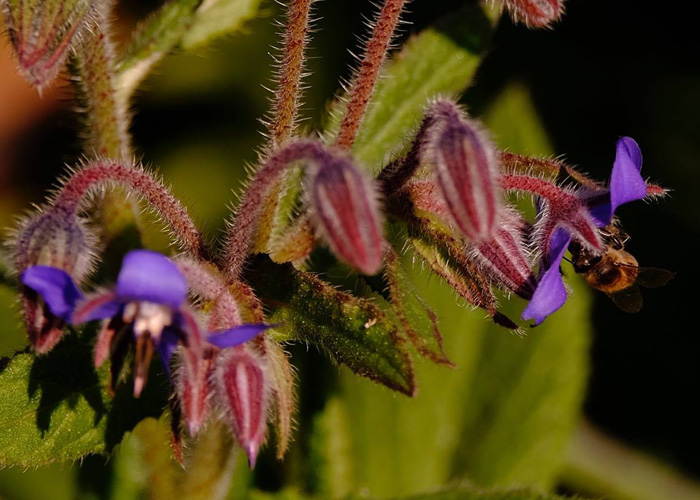
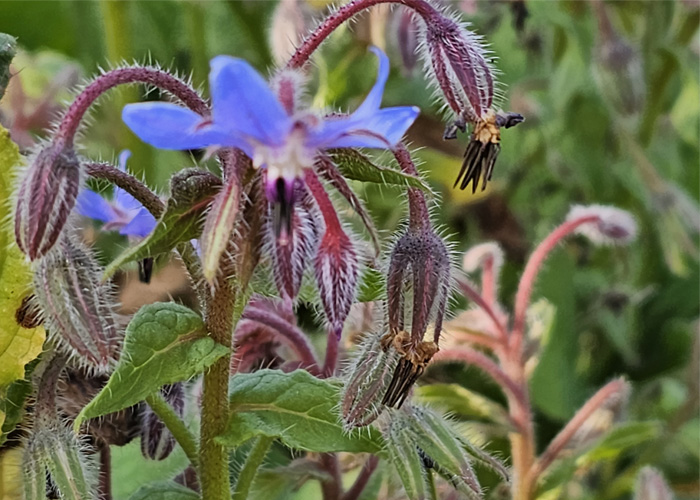
Grow Parkhurst practices companion planting which encourages a return of insects and bees to our urban environment. Some of what we do includes planting flowering cover crop. We are always nurturing nasturtiums and marigolds and planting borage; bees love the tiny blue flowers. We keep multiple flowering plants along the hedges of the garden to attract our neighbourhood bee community.
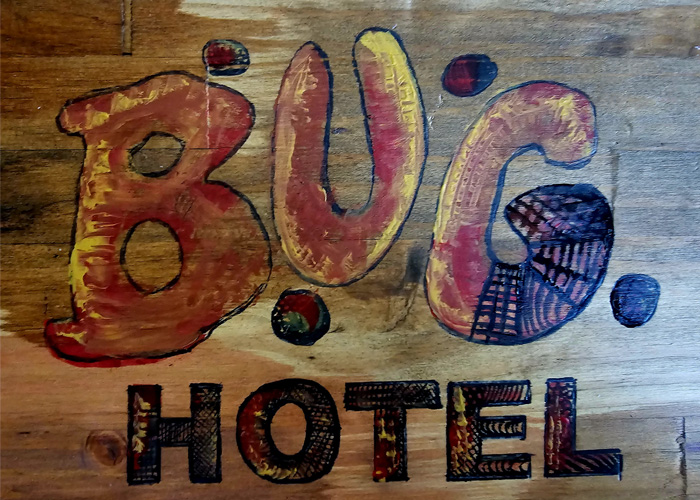
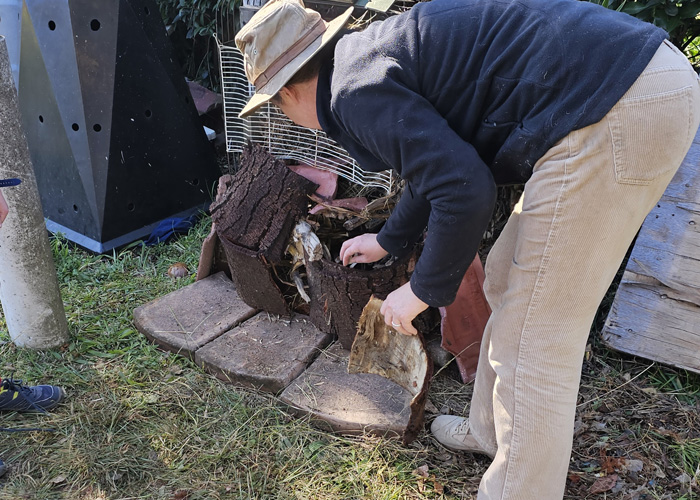
On the 21st of May we set out to build a mini bug hotel in celebration of world bee day, these may become a home for our carpenter bees who are important pollinators of crops and wildflowers.
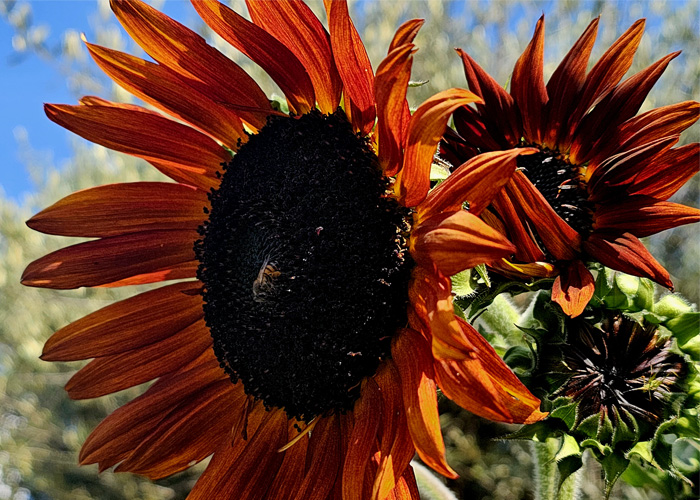
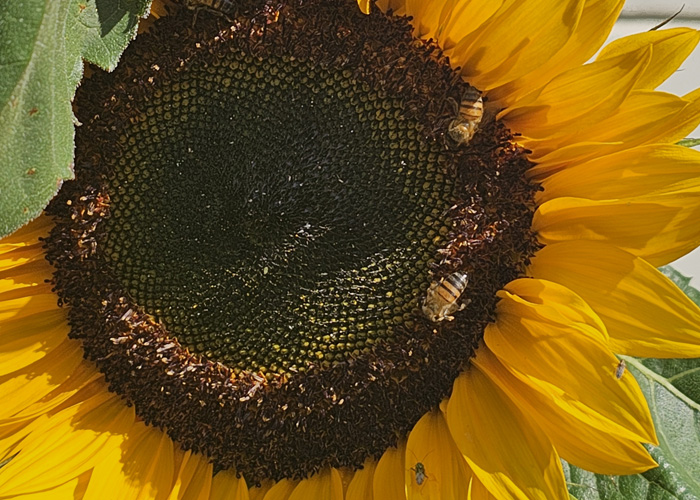
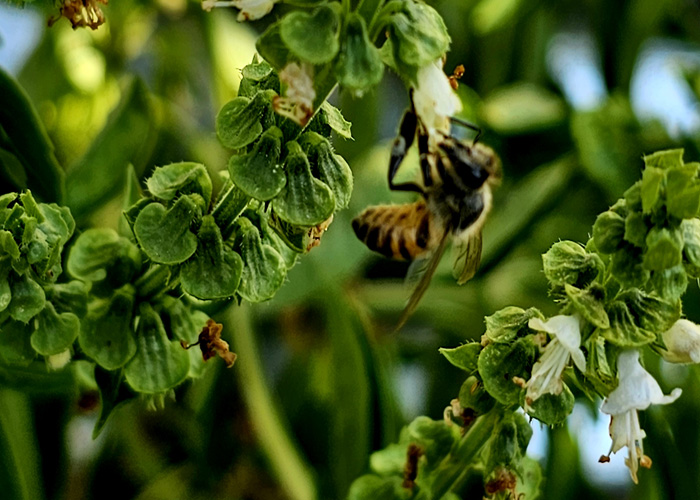
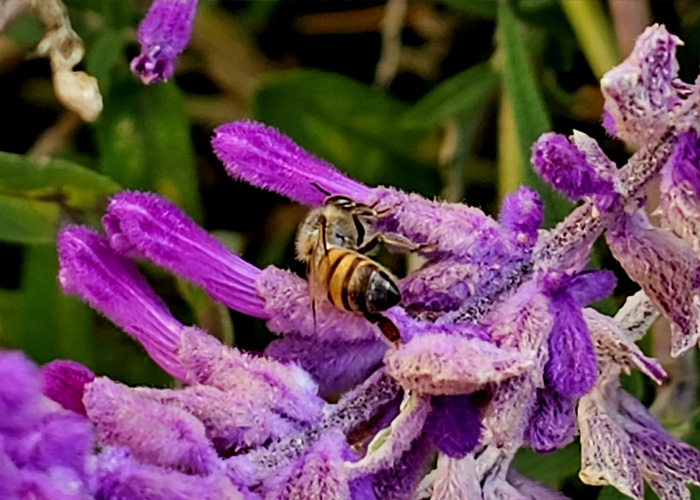
Images: Pauline Borton, Bees in an Autumn Garden. Sunflowers, Basil, and Mexican Sage.
Find out more about World Bee Day here.
Winter 2023
Winter Fruits, Flowers and Herbs
@GrowParkhurst winter garden is in full bloom, providing us seeds for our seed collection and a place for the bees to find pollinator flowers.
Tamarillo & Butternut tart made using a few of our Tamarillo’s harvested just before the first frost and ripened on a kitchen windowsill. Adding in baby tomatoes, mozzarella, and basil to compliment the tree tomatoes and leftover butternut to add extra nutrition to a homemade pie. Some interesting recipes to look into and adapt according to your needs can be found here.
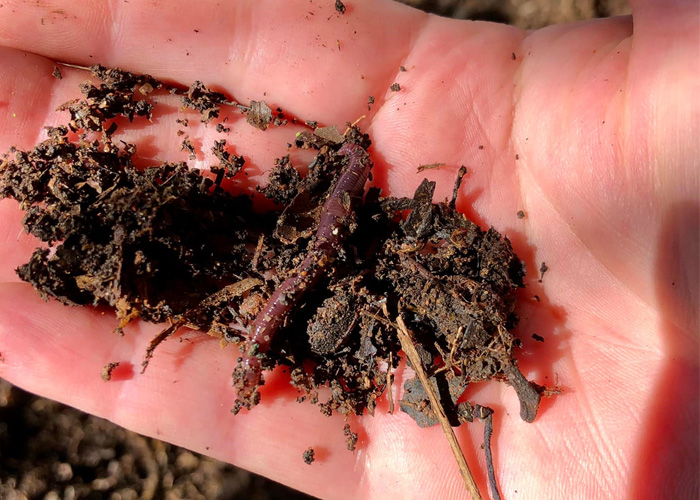
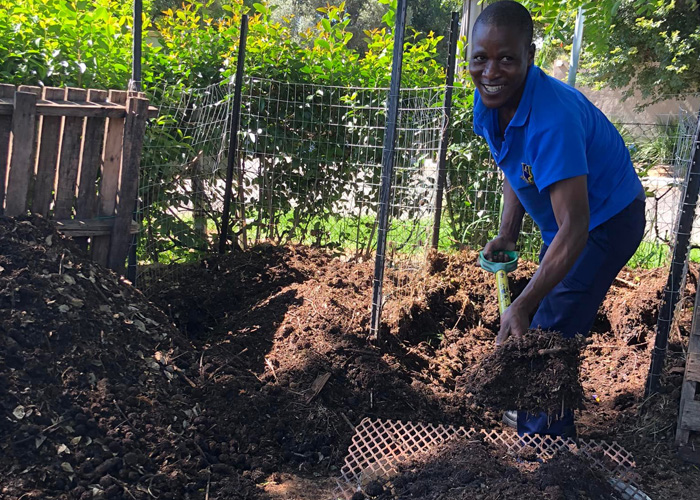
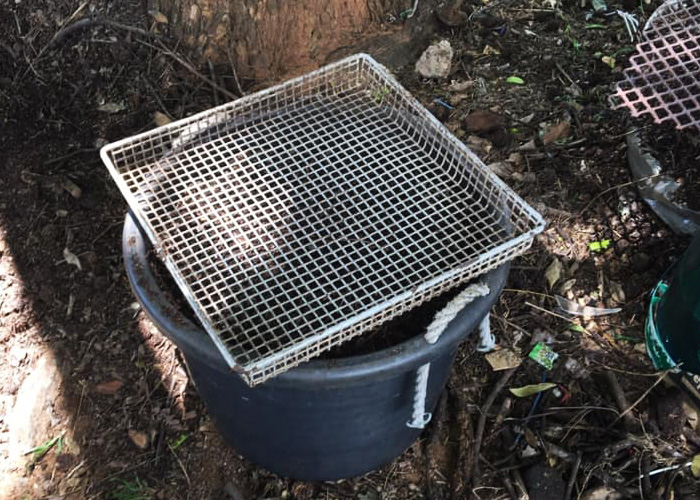
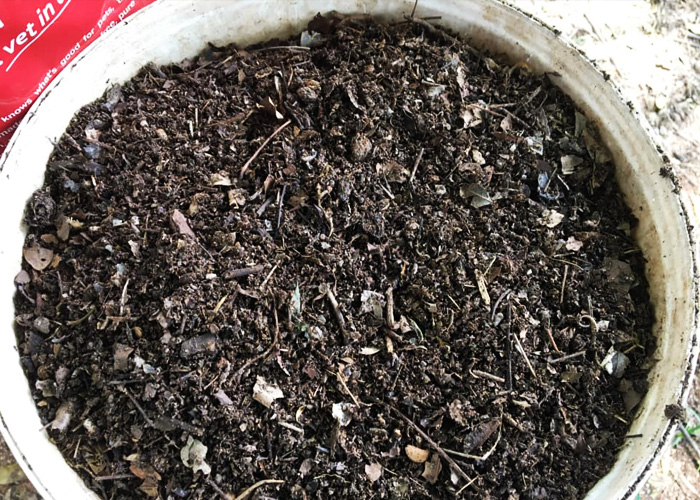
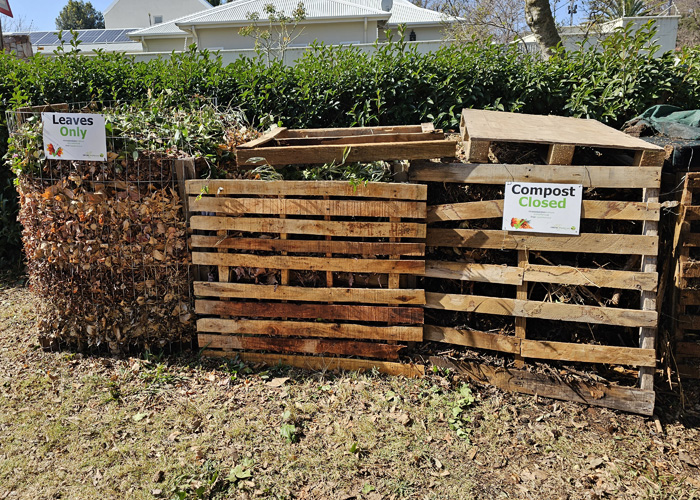
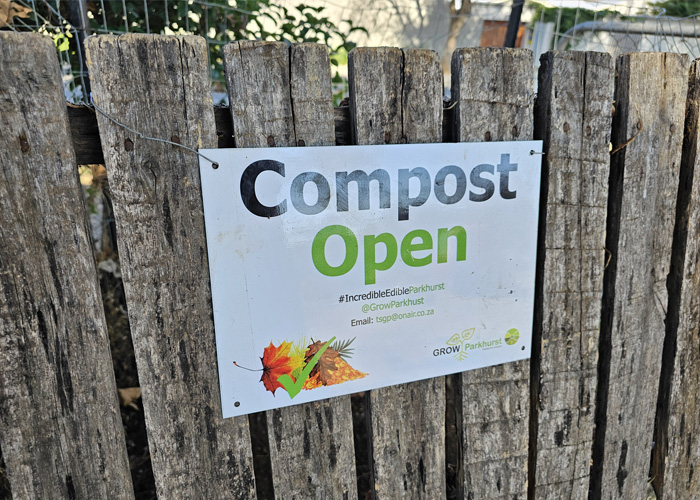
Maintaining our compost is no mean feat, but it has its rewards!
A day in the winter sun, in the presence of good company, beautiful winter textures, the sound of water against drying leaves and the earthy smells of decomposing compost. Even though much of our garden rests in winter, our compost continues to decompose itself, feed our fallow veggie beds and enable us to maintain our garden in the quieter months. We are also testing a leaf mould bin out and the layering that is happening is a treat to observe, as is marvelling at the more than six connected hosepipes we use maintain our compost and leaf bins.
Watch this space for an update on Spring 2023.
 Grow Parkhurst